
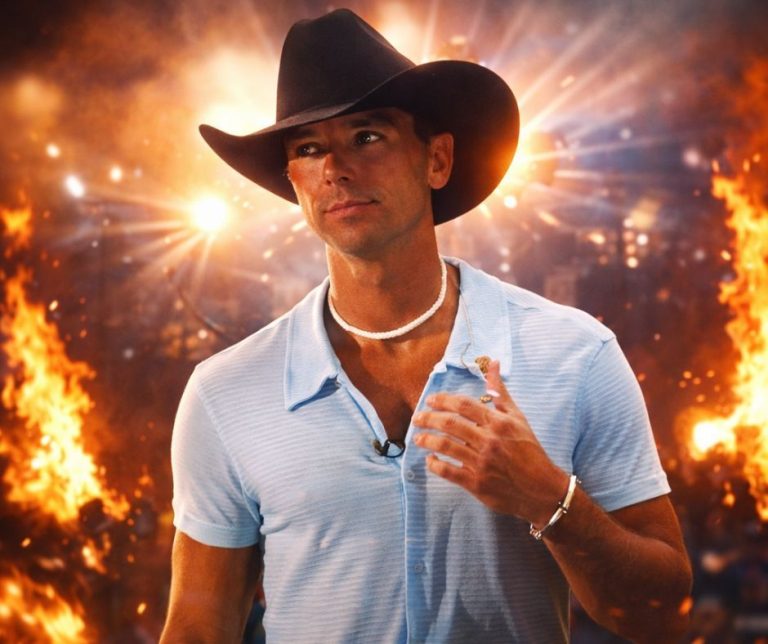
THE TRUTH BEHIND THE NIGHT SHIFT ANTHEM: Was Kenny Chesney Singing About His Own Life?
Some songs celebrate fame.
Some celebrate love.
But others speak for the people who punch in when the world punches out. In 2007, Kenny Chesney released Shiftwork, a duet with George Strait, featured on the album Just Who I Am: Poets & Pirates. Unlike Chesney's beach anthems, this song focused on factory floors, rotating schedules, and the endless cycle of shift-based labor.
The Endless Loop of Work
"Shiftwork" captures the repetitive rhythm of blue-collar life:
Work – sleep – wake up – work again.
The lyrics paint a picture of monotony and exhaustion, but not despair. There's humor woven into the storytelling, making it feel authentic rather than dramatic. The pairing of Kenny Chesney's energetic style with George Strait's traditional country tone created a grounded, relatable sound. Two superstars singing about ordinary lives—that contrast gave the song its power.
Why It Resonated
At the time of its release, many American workers were facing economic uncertainty. The song connected deeply with those working night shifts, early mornings, or rotating schedules. It reached the Top 20 on the Billboard Hot Country Songs chart and became a staple in Chesney's live performances. In concert arenas, when he sings about the "graveyard shift," crowds respond loudly—because many have lived it.
Was It Personal?
Kenny Chesney did not work factory night shifts himself. Raised in Tennessee, he pursued music early in life. However, he has consistently shown appreciation for the working-class audience that forms the backbone of country music.
"Shiftwork" is not autobiographical.
It is observational—and respectful.
George Strait's calm delivery complements Chesney's energy, grounding the song in authenticity rather than theatrics.
Nearly Two Decades Later
Almost 20 years after its release, "Shiftwork" still stands as a tribute to everyday workers. It doesn't glamorize struggle, nor does it exaggerate hardship. Instead, it acknowledges reality. In a genre often associated with celebration, this song chose empathy. And that may be why it still matters.